
Monero Crypto for Beginners: Secure Your Financial Privacy
Why Monero matters for beginners – privacy, safety, and what to expect
Have you ever wondered if your money could be truly private?
In our digital world, most of what we do online leaves a trail. Regular online payments can often be seen by banks or other companies. But what if you wanted to keep your financial dealings just for yourself? That’s where a special kind of digital money, like Monero (XMR), comes in.
Monero is a type of "privacy coin" in the big world of cryptocurrency. You might have heard of Bitcoin, which is famous for being a digital money that anyone can use. But here’s the thing: with Bitcoin, all transactions are out in the open for everyone to see. Not your name, but the amounts and addresses are public, making it possible to trace payments if someone works hard enough. Monero crypto is different. It’s built to keep your transactions completely secret. No one can see how much you send, who you send it to, or where it comes from. This makes Monero very appealing to people who care a lot about their financial privacy, according to experts studying new technologies in 2026 and beyond [PDF].
Now, if you’re new to crypto, you might have some big questions. Is Monero crypto safe to use? Is it even legal? How does it stack up against other coins like Bitcoin or even newer ones you hear about like rxs crypto or inj crypto? Many beginners worry about getting scammed or breaking rules. It’s true that the crypto world can seem confusing, full of strange words and new ideas. You might even feel overwhelmed by all the different digital currencies and trading options.
This guide is here to help you understand Monero without all the complicated stuff. We’ll walk you through what Monero is, why privacy matters, and how to use it safely. We’ll talk about how it works, how it’s different from other digital money you might know, and what steps you can take to protect yourself. Our goal is to give you clear definitions and trustworthy information so you can feel confident and secure. If you’re completely new to digital money, you might want to start with our simple guide on what cryptocurrency is.
Knowing how to protect your privacy and funds is key in crypto. For more step-by-step crypto education, safety tips, and clear guidance, we suggest checking out the free Clicks and Trades newsletter.

It’s a great way to keep learning about this exciting space.
What is Monero? Simple definitions for newcomers
Let’s get straight to it: Monero crypto is a special kind of digital money that really cares about your privacy. Imagine if you could use cash, but online, and no one could ever see where it came from, where it went, or how much it was. That’s pretty much what Monero aims to do. Its short name, or "ticker," is XMR. So, when you see XMR, it means Monero.
Most digital money, like Bitcoin, works by having all its transactions listed on a public record, a bit like a giant shared notebook. Everyone can see every payment that ever happened. They can’t see your name, but they can see the payment amounts and the digital addresses involved. With Monero, it’s totally different. When you use Monero, special technologies make sure that all the details of your payment are hidden. This means no one can easily tell who sent the money, who got it, or how much was exchanged. It’s designed to be completely private, making it different from most other cryptocurrencies you might hear about.
To help you understand Monero better, here are some simple words you’ll want to know:
- XMR: This is just the quick way to say Monero. It’s the symbol used on trading platforms, much like "USD" is used for the US Dollar.
- Wallet: Think of this as your digital purse or bank account for Monero. It’s a special program or app where you can keep your XMR safely. You need a wallet to send or receive Monero.
- Transaction: This is just a fancy word for sending or getting Monero. When you pay someone with XMR, you are making a transaction. When someone pays you, that’s also a transaction.
- Privacy Features: These are the smart tricks Monero uses to keep your payments secret. Monero uses things like "ring signatures" and "stealth addresses" to mix up information. This makes it impossible for outsiders to link who sent the XMR to who received it, or even to know the exact amount. It’s all about keeping your financial life just for you.
So, while other digital moneys might focus on different things, Monero crypto’s big goal is clear: total financial privacy for its users in 2026 and beyond, a goal noted by experts studying new technologies. If you want to dive deeper into what cryptocurrencies are in general, we have a helpful guide on what cryptocurrency is.
Understanding how to keep your crypto safe and private is very important. For more easy-to-understand lessons, safety tips, and clear guidance on digital money, you might like the free Clicks and Trades newsletter. It’s a great way to keep learning and feel more confident.
How Monero’s privacy technology works — explained without jargon
We talked about how Monero crypto is like digital cash that keeps your secrets. But how does it actually do that? It uses some clever tricks to hide the important details of your payments. Let’s break down these smart privacy features so you can understand them easily.
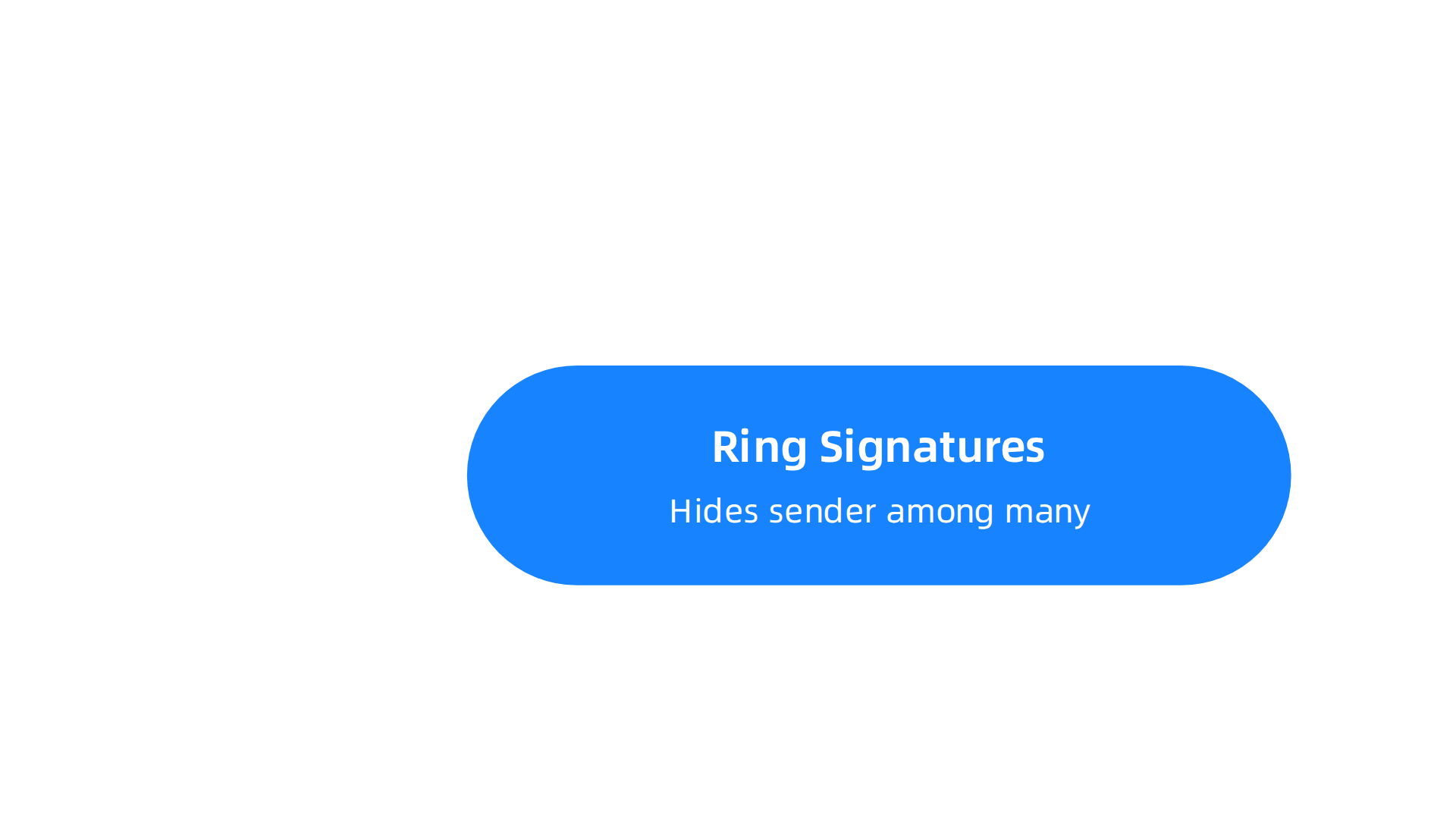
Ring Signatures: Hiding Who Sent It
Imagine you want to send a secret message. Instead of just you signing it, you get a few friends to sign it too. The message still gets sent, but no one looking at the signatures can tell which one was the real sender. That’s a bit like how ring signatures work for Monero.
When you send Monero, your digital signature gets mixed with the signatures of other people’s Monero. It’s like your transaction is hiding in a crowd. This makes it super hard to tell exactly who sent the money, making your payments very private. This mixing helps keep your identity a secret from others looking at the public record, which is a big deal in 2026 when digital privacy is so important, as noted by experts studying new technologies Stanford Emerging Technology Review 2026.
Stealth Addresses: Secret One-Time Mailboxes
Next up are stealth addresses. Think of it like this: when someone sends you Monero, they don’t send it to your usual public address. Instead, Monero creates a special, one-time "mailbox" address just for that single payment.
Once the payment arrives in this special mailbox, it’s yours. But the cool part is that this mailbox isn’t directly linked to your main Monero wallet address. It’s like getting a secret package delivered to a temporary spot that only you know about. This way, if someone tries to look at the history of transactions, they can’t easily see that you received that money or how much Monero crypto you typically get.
Confidential Transactions: Keeping the Amount Secret
Finally, there are confidential transactions. This feature helps hide the amount of money being sent. Imagine you’re sending a box with money inside. Everyone can see you sent a box, but only you and the person getting it know how much money is actually in there.
With confidential transactions, only the people involved in the payment know the exact amount of Monero sent. Others can see a transaction happened, but the actual value is kept hidden. This means your financial details stay just between you and the person you’re paying. No one else can snoop on your finances.
What This Means for You
These privacy features mean that Monero transactions are very hard to trace. You won’t leave a clear paper trail like with some other digital currencies. There are no public "receipts" that show all the details. For everyday use, this gives you a high level of financial privacy.
However, it’s important to remember what Monero does not guarantee. While it keeps your financial details private, it doesn’t hide who you are if you tell someone or if you use services that ask for your personal information. Monero focuses on the privacy of the money itself, not on your actions outside of the transaction. If you’re new to digital money, understanding these basics is key to feeling safe and confident. You can learn even more about digital money in our guide on crypto for beginners.
For more simple lessons, safety tips, and clear guidance on how to handle digital money, consider signing up for the free Clicks and Trades newsletter. It’s a great way to keep learning and feel more confident.
Now that you know how Monero keeps your money private, the next step is to get a place to store your Monero crypto. This place is called a wallet. Think of it like a digital bank account or a safe for your digital money. Setting up a Monero wallet can seem tricky at first, but with a few simple steps and safety checks, you’ll be ready. Being careful with your wallet is very important, as sadly, crypto scams and hacks are still a big problem in 2026, as noted in the 2026 Crypto Crime Report.
Types of Monero Wallets for You
There are different kinds of wallets to hold your Monero. Each has its own good points and not-so-good points, especially for someone just starting out.
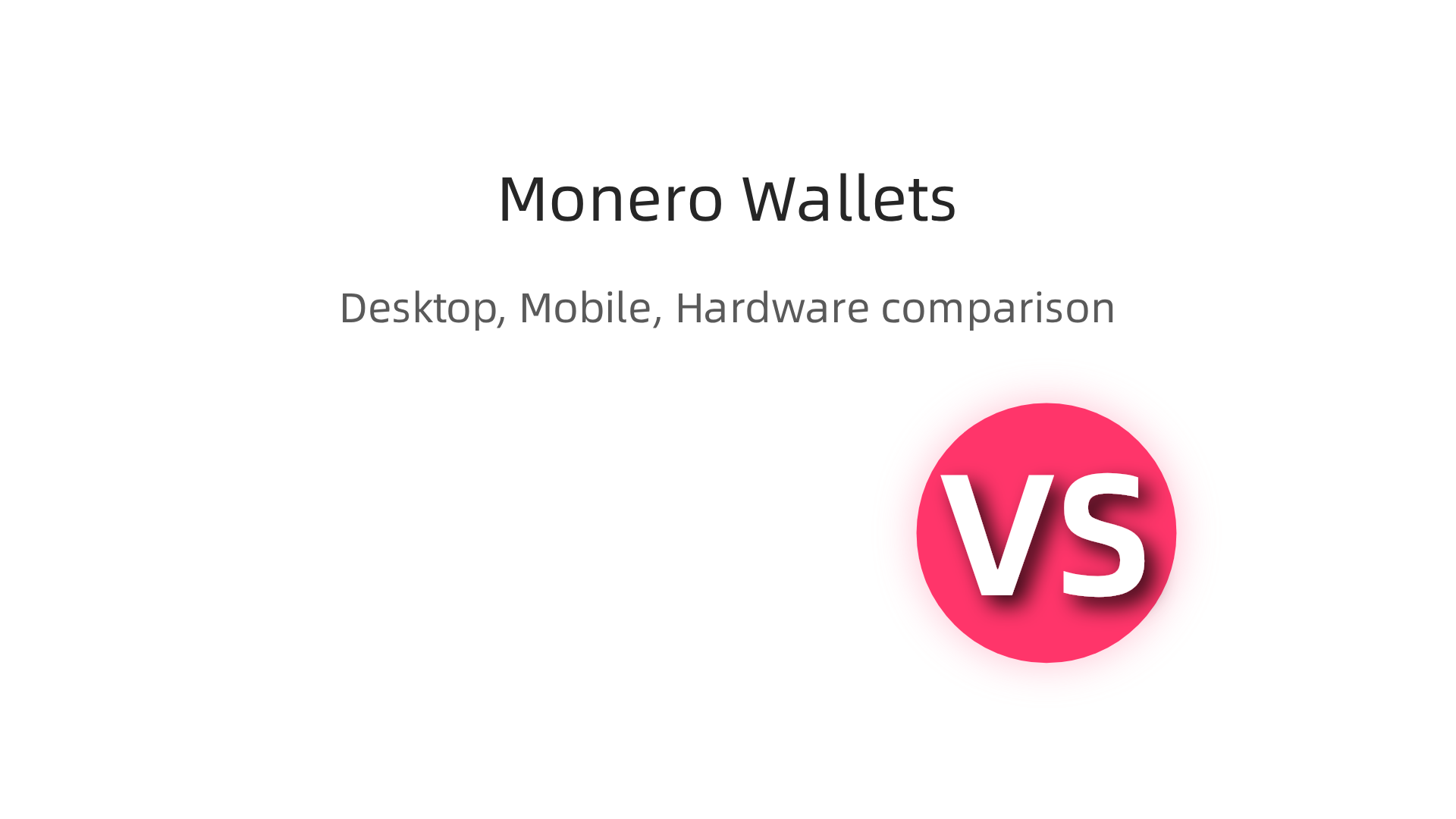
- Desktop Wallets: These are programs you install right on your computer.
- Good points: You have full control over your Monero crypto. It’s often free to use.
- Not-so-good points: If your computer gets a virus or is stolen, your Monero could be at risk. You need to keep your computer very safe.
- Mobile Wallets: These are apps you put on your phone.
- Good points: Super easy to use and carry your Monero with you. You can send and receive payments anywhere.
- Not-so-good points: Your phone can get lost or stolen, and it might be easier for some bad apps to spy on your phone.
- Hardware Wallets: These are small physical devices, like a USB stick, made just for storing crypto.
- Good points: They are the safest way to store large amounts of Monero crypto for a long time. Your private keys never touch the internet.
- Not-so-good points: They cost money to buy. They can be a bit more complicated to set up at first. Scammers have even targeted hardware wallet users, leading to big losses for some victims in 2026.
For beginners, a mobile or desktop wallet can be a good start. If you plan to keep a lot of Monero for a long time, a hardware wallet is the best choice for security.
Your Safety Checklist for Monero Wallets
No matter which wallet you choose, protecting your Monero crypto is a big deal. Experts always remind us to set up wallets safely in 2026. Here’s how:
- Write Down Your Seed Phrase: When you set up your wallet, it will give you a list of words, usually 12 or 24. This is your "seed phrase." It’s like the master key to your Monero. Write it down on paper and keep it somewhere very safe and secret. Never store it on your computer or phone!
- Make Backups: Back up your wallet’s important files (if it’s a desktop wallet) and always keep your seed phrase safe. If your device breaks, your seed phrase is how you get your Monero back.
- Keep Your Devices Clean: Make sure your computer and phone are free from viruses and malware. Use good antivirus software and keep your operating system updated.
- Double-Check Addresses: When you send Monero, always double-check that you’re sending it to the right address. A small mistake can mean your money is lost forever.
- Download from Official Places: Only download wallet software from the official Monero website or trusted app stores. Fake wallets are a common trick used by scammers.
How to Pick a Good Monero Wallet
When choosing a wallet, stick to well-known options that the Monero community trusts. You can usually find recommendations on the official Monero website.
- Look for good reviews: See what other people say about the wallet.
- Check for regular updates: Good wallets get updated often to fix problems and add new security features.
- Avoid red flags: Never pick a wallet that asks for your seed phrase or private keys online. No real wallet will ever ask for that. Also, be careful of brand new wallets with no history.
Learning how to keep your digital money safe is a skill every beginner needs. For more step-by-step guidance, safety tips, and clear lessons on how to handle your digital money safely, consider joining the free Clicks and Trades newsletter. It’s a great way to build your confidence in the crypto world.
You’ve learned about Monero wallets and how important it is to keep your private digital money safe. Now, let’s talk about how you actually get your hands on some Monero crypto. Buying Monero might seem a little different from buying other kinds of crypto because of its focus on privacy. But don’t worry, there are simple ways to do it in 2026.
How to Buy Monero Safely (Beginner-Friendly Options and What to Avoid)
There are a few main ways to buy Monero crypto. Each has its own rules and steps. We’ll look at the easiest ones for beginners and what you should think about for safety.
Places to Buy Your Monero Crypto
- Centralized Exchanges (CEX):
These are like online banks for crypto. You create an account, put in your regular money (like dollars or euros), and then use that money to buy Monero (XMR).- Good for beginners: They are usually easy to use and understand. Many let you buy with a bank transfer or credit card. Some popular exchanges that still list Monero crypto include KuCoin, which is known as a top choice for trading XMR in 2026,
though remember to avoid keeping your Monero there for long periods once you buy it, moving it to your private wallet instead [2026 Monero Trading Guide].
* "Know Your Customer" (KYC) rules: Most big exchanges will ask for your ID. This is called KYC. It’s how they follow financial rules. For Monero, because it’s built for privacy, some exchanges might have stricter KYC or might not offer it at all. It’s good to know this upfront.
2. Decentralized Exchanges (DEX) or Swap Services:
These places let you trade one kind of crypto for Monero crypto directly, often without needing to make a full account or show your ID.
* More private: If you already have another crypto (like Bitcoin or Ethereum), you can use a swap service to trade it for Monero. These services often let you buy Monero without full KYC, which can be faster and more private [Buy Monero No KYC]. Many guides show you how to buy Monero using these swap routes, saying they are often the simplest way [How to Buy Monero (XMR) in 2026].
* A little trickier: You need to already have some other crypto to start, and the steps might feel a bit more technical. However, they are a good option for people who value privacy.
3. OTC (Over-The-Counter) Desks:
This is for very big buyers. You deal directly with a company or another person to buy a large amount of Monero. This isn’t usually for beginners and often involves strict KYC checks, especially for big trades [Best OTC Crypto Exchange].
Your First Monero Purchase: A Simple Guide
Ready to get some Monero crypto? Here’s how to do it:
- Pick Your Buying Spot: Decide if a centralized exchange or a swap service is best for you. If you’re completely new to crypto, learning the basics of what cryptocurrency is can be very helpful before you start buying.
- Set Up (If Needed):
- For a Centralized Exchange: Sign up for an account. You’ll likely need to give your email, phone number, and do the KYC identity check (uploading a photo of your ID). Experts always remind us to set up exchanges safely [Crypto Investing 2026 Comparison].
- For a Swap Service: You usually don’t need to sign up. You just go to their website.
- Fund Your Account:
- For a Centralized Exchange: You can link your bank account, use a debit/credit card, or send in another crypto you already own.
- For a Swap Service: You will send them the crypto you want to trade (like Bitcoin), and they will send you Monero back.
- Buy Monero:
- Find "XMR" (that’s the ticker for Monero crypto) on the exchange or swap service.
- Type in how much you want to buy (either a dollar amount or an amount of XMR).
- Click "Buy" or "Swap."
- Transfer to Your Wallet: This is the most important step for safety! Once you buy your Monero crypto, you must send it to your private Monero wallet that you set up earlier.
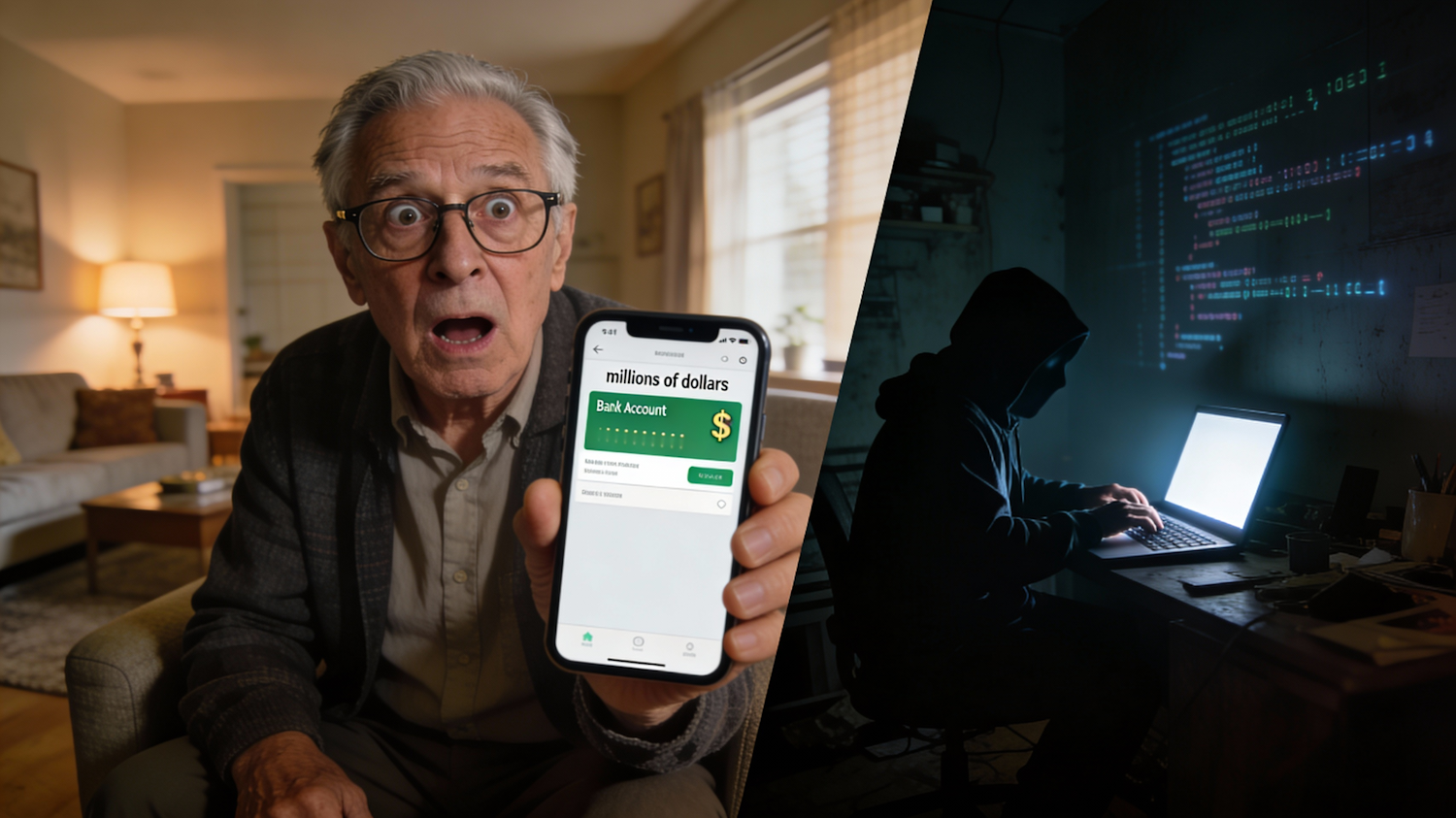
Never leave large amounts of Monero on an exchange, as it’s less secure there.
Learning how to buy Monero and keep it safe is a big step in your crypto journey. For more simple lessons and safety guides on handling your digital money, you might find the Clicks and Trades newsletter very helpful. It’s a great way to learn more about the crypto world.
If you’re looking to dive deeper into crypto for beginners, we’ve got you covered.
What People Use Monero For: Good Reasons and Real Examples
Monero crypto is special because it really focuses on privacy. This means when you use Monero, your transactions are hidden. No one can easily see who sent money, how much, or to whom. This focus on privacy leads to some important and good reasons why people choose Monero.
Why Privacy Matters for Your Money
Think about using cash. When you pay with cash, no one knows what you bought or where you bought it, unless you tell them. Monero crypto tries to be like digital cash. Here are some common, good reasons people use Monero:
- Personal Privacy: Just like you wouldn’t want everyone to know what you buy at the grocery store or how much money you have in your wallet, people use Monero to keep their financial life private. This stops companies from tracking your spending habits or hackers from seeing how much crypto you own.
- Fairness for Everyone (Fungibility): Imagine if some dollar bills were "tainted" because of who used them before, and stores refused to accept them. That wouldn’t be fair. Monero is "fungible," meaning every Monero crypto coin is just like every other Monero crypto coin. It doesn’t matter who owned it before; it’s always accepted as equal. This is important for a true money system.
- Stopping Financial Censorship: In some parts of the world, governments or powerful groups might try to stop people from sending or receiving money. With Monero, it’s very hard for anyone to stop your transactions. This can be important for people like journalists, activists, or those living under unfair rules who need to move money freely.
The Other Side: Risks and Rules
While Monero’s privacy features are very useful for legitimate reasons, it’s also true that these features can be used for bad things. Some reports show that privacy coins, including Monero, have been used in illegal ways, like ransomware payments or transactions on online black markets [Confronting the Illicit-Finance Hydra in Crypto Markets]. This is a challenge for all cryptocurrencies, not just Monero.
Governments around the world are still figuring out how to deal with privacy-focused cryptocurrencies. In 2026, rules vary widely. Some countries might have stricter laws about using or owning Monero crypto. It’s really important to know the rules in your own country. Also, remember that the wider crypto world still faces risks, like scams, which were a big threat in 2025 and continue to be something to watch out for [2026 Crypto Crime Report Introduction].
Does Monero Fit Your Goals?
Before you decide to use Monero crypto, think about what you want most.
- Do you really need strong privacy for your transactions?
- Or is ease of use and wider acceptance on many trading platforms more important to you?
Monero offers top-tier privacy, but that sometimes means it’s not as easy to buy or use as other types of crypto like Bitcoin, especially on big, regular exchanges that have strict ID checks. Other cryptos, like inj crypto or rxs crypto, might be simpler to access if privacy isn’t your main goal. It’s a trade-off. If strong privacy is your priority, Monero is a great choice. But if you’re just starting your crypto journey and want something super simple for everyday use without specific privacy needs, you might explore other options. If you’re new to all of this, learning about what cryptocurrency is can give you a good base to make decisions.
Understanding the different kinds of crypto and their uses helps you make smart choices. For more helpful lessons and safety tips about digital money, the Clicks and Trades newsletter can be a great resource.
Ready to learn more about safely navigating the world of crypto for beginners?
Monero vs Other Coins: A Straightforward Comparison Table for Beginners
Now that you know why Monero crypto is special for privacy, it’s helpful to see how it stacks up against other types of digital money. Not all cryptocurrencies are built the same, and their differences can really matter for what you want to do. Let’s look at Monero next to other popular options so you can pick what’s right for you.
Here’s a simple table comparing Monero with Bitcoin and other kinds of digital coins you might hear about:
| Feature | Monero (XMR) | Bitcoin (BTC) | Other Cryptos (like inj crypto, rxs crypto) |
|---|---|---|---|
| Main Focus | Strong privacy and untraceable transactions | Digital gold, store of value, widely accepted | Fast payments, specific app uses, or unique features |
| Privacy Level | Very high. Transactions are hidden by default. | Low. All transactions are public for anyone to see. | Varies. Some have weak privacy, some have none. |
| Ease of Use | Can be harder to buy/sell on big exchanges; needs special wallets. | Easier to buy/sell, widely supported on most exchanges. | Varies a lot. Some are very easy, some are not. |
| Where You Can Use It | Fewer places accept it directly compared to Bitcoin. | Accepted by many online shops and services. | Depends on the coin; some are very specific. |
| Rules & Acceptance (2026) | Governments are still figuring out rules; less common on big exchanges due to privacy. | Mostly accepted, but rules still vary by country. | Rules vary. Some are easy to use, some less so. |
Understanding the Trade-Offs
As you can see, Monero crypto is a clear leader when it comes to privacy. It makes your transactions very hard to trace, which is why it’s sometimes used when people need to keep things quiet, even in some cases for illicit activities like ransomware payments [Confronting the Illicit-Finance Hydra in Crypto Markets]. But this strong privacy comes with a trade-off.
- Privacy vs. Ease of Use: Because Monero focuses so much on privacy, it can be less liquid. This means it might be harder to buy or sell Monero crypto on common, big exchanges, especially those with strict identity checks. Coins like inj crypto or rxs crypto might be much simpler to access if privacy isn’t your main concern.
- Privacy vs. Acceptance: Also, fewer shops or services accept Monero directly compared to Bitcoin. Bitcoin has been around longer and is much more widely known and used, making it easier to spend in more places.
How to Pick What Matters for You
When you look at this table and think about your own needs, ask yourself:
- Is privacy my number one goal? If keeping your financial actions totally private is most important, then Monero crypto is a strong contender.
- How easy do I need it to be? If you just want something simple to buy and sell, or to use for payments in more places, a coin like Bitcoin might be a better start.
- What do I want to do with my crypto? If you have a specific use in mind, like using a certain app or service, you might need a different kind of crypto that’s built for that purpose.
There’s a whole world of crypto out there, and understanding these differences helps you make smart choices. If you’re new to cryptocurrency and want more step-by-step guidance on how to safely navigate this space, learning the basics of what cryptocurrency is can be very helpful.
For more simple lessons and safety tips about digital money, the Clicks and Trades newsletter can be a great resource.
Ready to learn more about safely navigating the world of crypto for beginners?
Legality, regulation, and taxes: what beginners should check before using Monero
So, you know Monero crypto is great for keeping things private. That’s a big plus for many people. But here’s the thing: privacy sometimes comes with extra questions, especially when it comes to rules, laws, and taxes. Before you dive into using Monero, it’s really smart to understand what you need to check in 2026.
Governments around the world are still figuring out how to handle digital money, and Monero’s strong privacy features can make it a bit different from other coins like Bitcoin.

This means rules for Monero can be trickier.
What to Look for in Your Country
Every country has its own way of looking at cryptocurrencies. Here are the big questions you should ask yourself:
- Is Monero legal where you live? Most places allow you to own cryptocurrencies, but some might have special rules for privacy coins like Monero. It’s important to know if there are any outright bans or tough restrictions.
- Do you have to report your Monero holdings or trades? Even if it’s legal, your country might want to know about your crypto. This is called "reporting." It could mean telling the government how much Monero crypto you own or every time you buy or sell it.
- How are Monero taxes handled? This is a huge one. In most places, when you sell Monero for more than you paid, or use it to buy things, you might have to pay taxes on your gains. The rules for calculating these taxes can be complex, and they change often.
How Regulations Affect Getting Monero
Because Monero offers such high privacy, some big cryptocurrency exchanges might not list it. They do this to follow strict "Know Your Customer" (KYC) rules. KYC means they need to collect your personal information to prove who you are. If an exchange can’t track Monero transactions easily, they might choose not to offer it. This can make it harder for beginners to buy or sell Monero on popular, easy-to-use platforms.
You might find it on smaller exchanges or peer-to-peer trading sites, but these can sometimes come with more risks if you’re not careful. This is a common issue for some less-known cryptos, not just Monero. Even a new "moonshot crypto" or "trump crypto" could face similar hurdles if regulators scrutinize its design.
Your Practical Checklist Before Using Monero
Don’t let these rules scare you away from learning, but do make sure you’re smart about it. Here’s what you can do:
- Research Local Laws: Take some time to look up the specific cryptocurrency laws and tax rules in your country. A quick search for "[Your Country] cryptocurrency laws 2026" or "[Your Country] Monero tax" is a good start.
- Keep Good Records: If you do buy, sell, or use Monero crypto, keep careful notes. Write down when you bought it, how much, and for what price. This will be super helpful for tax time.
- Talk to an Expert: If you’re unsure, it’s always best to chat with a tax advisor or legal professional who understands cryptocurrency in your area. They can give you advice tailored to your situation.
Learning about crypto, including things like how to stake crypto or how to find the right trading platform, means also understanding the rules. If you’re completely new to this world, it’s wise to learn the basics of what cryptocurrency is first, so you can make informed choices. For more help learning about digital money and staying safe, the Clicks and Trades newsletter is a great place to get easy-to-understand guidance and tips.
Ready to learn more about safely navigating the world of crypto for beginners? Sign Up for our free newsletter today!
Summary
This article introduces Monero (XMR) for beginners, explaining why it matters as a privacy-focused cryptocurrency and how it differs from public chains like Bitcoin. You’ll learn the core privacy technologies—ring signatures, stealth addresses, and confidential transactions—and what those features actually do for your financial privacy. The guide walks through wallet options (desktop, mobile, hardware), practical safety steps like backing up seed phrases, and choosing a wallet you can trust. It also covers how to buy Monero via centralized exchanges, swap services (DEX), and OTC desks, plus the critical step of moving funds to your private wallet. The piece examines common real-world uses and trade-offs (privacy vs. ease of use), and it explains legal, regulatory, and tax checks beginners should do before using Monero. After reading, you’ll understand the risks and protections around XMR and be able to take the basic, practical steps to buy, store, and use Monero more safely.
