
What Is the Capital City of Australia? (Hint: It’s Not Sydney)
Beyond Sydney and Melbourne: Discovering Australia’s True Capital
When you think of Australia, you probably picture the Sydney Opera House or the bustling lanes of Melbourne. Most people do. It is a common mix-up to assume one of these famous cities is the nation’s capital. But here is the surprising truth.
The true capital city of Australia is Canberra.
This is not a trick question. According to the authoritative source Wikipedia, Canberra is the capital city of Australia. It was not the first city, but it was purpose-built to be the seat of government. This fact can feel like a hidden piece of knowledge, much like trying to understand a complex new topic for the first time.
Think about it. Starting something new, like learning about cryptocurrency, can be just as confusing.

You hear big names like Bitcoin and Ethereum, but where do you actually begin? You might feel overwhelmed by jargon, unsure which sources to trust, and worried about scams. It is a lot like trying to find a simple, reliable answer to a basic question: What is the capital city of Australia?
You deserve clear answers built on facts, not guesswork. Our guide is built on that promise. We use trusted sources, like Britannica’s entry on Canberra, to give you a foundation you can rely on. We cut through the noise so you can learn with confidence, whether you are exploring a new country or a new financial landscape.
Feeling unsure where to start in crypto is normal. That is why we created resources like our guide on what nobody tells crypto beginners before they start. It is your first step toward clarity.
Ready to learn more in a safe, simple way? For clear, step-by-step lessons delivered straight to you, sign up for the free Clicks and Trades newsletter. It is the trusted guide you need for your next learning adventure.
What Is the Capital City of Australia? The Definitive Answer
The definitive answer is clear: the capital city of Australia is Canberra. This is not a matter of opinion or a recent change. It is the established, legal, and administrative heart of the nation.
Canberra is located in the Australian Capital Territory (ACT), a self-governing territory created specifically to house the capital. As stated by Britannica, Canberra is the federal capital of Australia. Its status is rooted in the country’s constitution and laws. Following the federation of Australian states in 1901, the new government needed a neutral seat of power, separate from the rivalry between the two largest cities, Sydney and Melbourne.
This is where the story of a purpose-built capital begins. The government decided to create an entirely new city. According to historical records, Canberra was chosen as the Australian capital in 1906 as a compromise. The site was selected, and as the National Capital Authority notes, a ceremonial naming was held in 1913 when the area was largely rural land.
So, when you ask, "What is the capital city of Australia?" the answer is unequivocally Canberra. It was built by design to be the home of Parliament, the High Court, and numerous government departments. This clear, factual foundation is important. Just like in learning any new subject, from geography to finance, starting with verified facts from trusted sources builds real understanding and confidence.
Whether you’re confirming a capital city or taking your first steps into a complex topic like cryptocurrency, having a reliable guide makes all the difference. For clear, step-by-step lessons that cut through the confusion, consider signing up for the free Clicks and Trades newsletter. It’s a trusted resource built to help you learn with clarity and safety.
Why Canberra? The History Behind the Choice
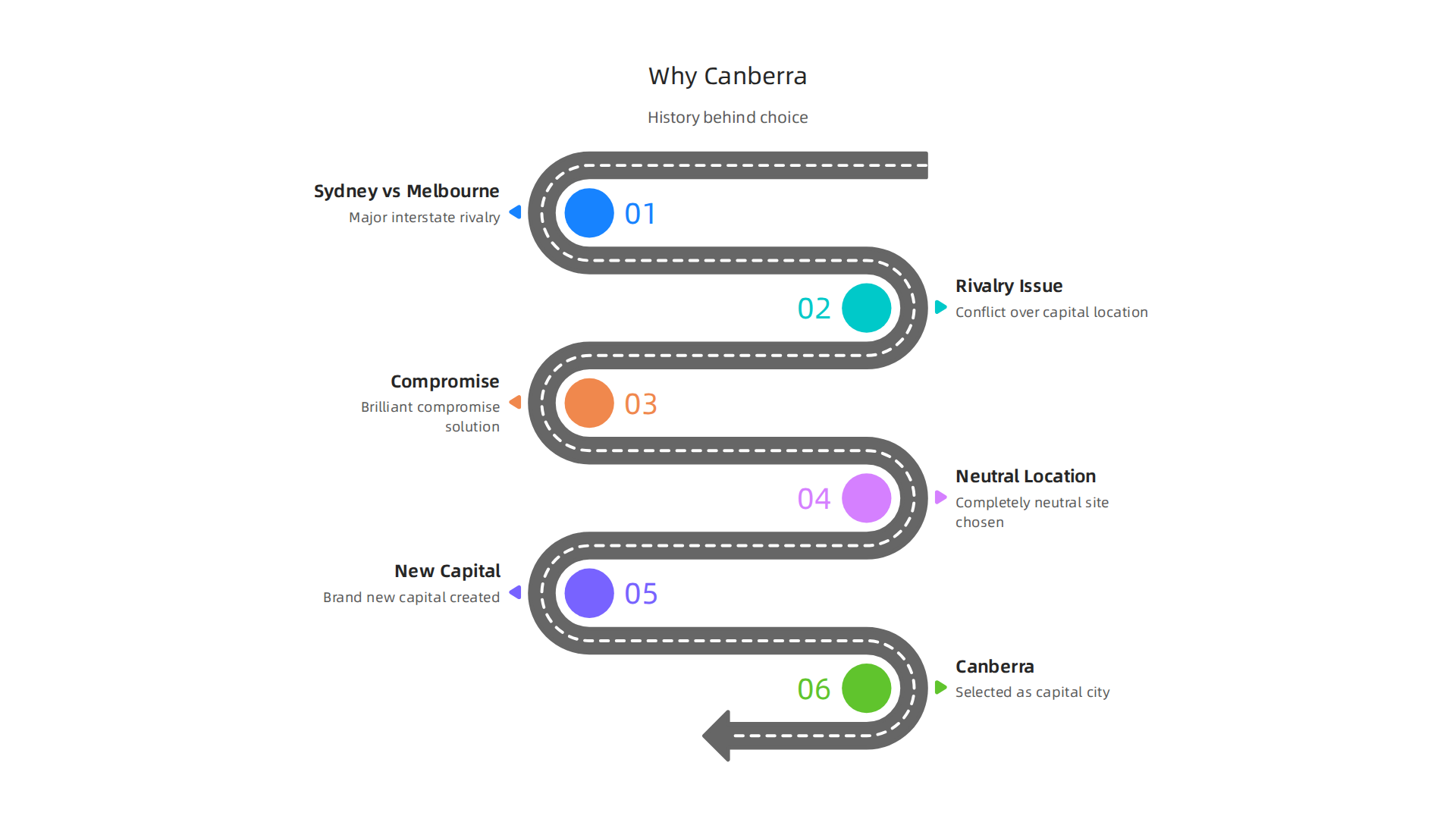
So we know Canberra is the capital city of Australia. But why? Why build a whole new city instead of picking Sydney or Melbourne? The answer is a classic story of rivalry and a smart compromise.
In the late 1800s and early 1900s, Australia’s two biggest cities were locked in a fierce battle. Sydney and Melbourne both wanted to be the nation’s capital. This dispute was so intense it could have delayed the entire federation of Australian states. As one historical account puts it, the choice of the capital settled a major feud between the rival cities.
The government needed a solution. Picking one city over the other would leave half the country upset. The brilliant compromise was to create a brand new capital in a completely neutral location.
This wasn’t a random idea. It was a planned decision to ensure the national government would be free from local state politics and influence.
The search began for the perfect spot. The new capital needed to be somewhere between Sydney and Melbourne. After much debate and survey work, the government selected the ‘Yass-Canberra’ region in 1908. This area, then mostly rural sheep land, met the requirements. It was a neutral territory, literally created to house the new capital, which became the Australian Capital Territory.
The next step was to design this city from scratch. The government held an international competition to find the best plan. An American architect named Walter Burley Griffin won with a visionary design featuring geometric shapes and lots of green space. In 1913, a ceremony was held to officially name the city Canberra. At the time, as the National Capital Authority notes, the area was little more than a sheep station.
This history shows us that the capital city of Australia wasn’t an accident. Canberra was a deliberate solution to a big problem. It teaches us a valuable lesson. When faced with two strong, opposing options, sometimes the best path forward is to create a new, neutral one designed for a specific purpose.
That principle applies to learning new things today, like understanding cryptocurrency. When faced with confusing information and rival opinions, the best step is often to find a clear, neutral, and purpose-built guide. For straightforward lessons that help you navigate complex topics safely, consider subscribing to the free Clicks and Trades newsletter. It’s designed to give you confidence, just like the planners who built Canberra.
The Vision of Walter Burley Griffin
With the location chosen, the next question was huge. How do you actually build a capital city of Australia from nothing on empty land? The answer came from an unexpected place: Chicago, USA.
The Australian government held an international design competition. The winning plan came from a young American architect, Walter Burley Griffin, and his wife, the talented designer Marion Mahony Griffin. Their vision was not just for buildings, but for a whole new way of living. They imagined Canberra as a "garden city," a place where nature and government would exist in harmony.
The Griffins’ plan was full of geometric shapes, wide avenues, and lots of green space. Key government buildings were placed within a central "parliamentary triangle," connected by grand boulevards. Hills and a large lake (later named Lake Burley Griffin) were central parts of the design. This wasn’t a random layout. Every park, road, and building site was planned to create a beautiful, functional, and healthy city from the start. You can see a glimpse of this early vision in historical accounts of the city’s founding.
This idea of a fully planned city was very modern. Today, we call this "urban planning," and it’s a standard practice for building communities that work well for people. Canberra became a real-world example of this principle. It showed that with a good blueprint, you could create something orderly and purposeful out of an empty space.
Think about it this way. Starting anything complex without a plan is hard. Whether it’s building a city or learning a new skill like cryptocurrency, a clear, step-by-step guide makes all the difference. It turns a confusing challenge into a manageable process. For a modern, step-by-step blueprint designed to build your confidence in crypto safely, many beginners find a structured path helpful. Getting clear guidance can help you avoid the common pitfalls, much like a good city plan avoids traffic jams.
If you want to navigate new topics with a clear plan, consider starting with a trusted guide. For straightforward lessons delivered to your inbox, you can Sign Up for the free Clicks and Trades newsletter.
Canberra Today: A Snapshot of the National Capital
So, what is the capital city of Australia like over a century after its grand plan was drawn? Today, Canberra is a thriving, modern city that fully embodies its purpose. It’s the living, beating heart of the nation.
Let’s look at the numbers that define it in 2026.
Canberra is home to nearly half a million people. Current estimates put the population at around 488,500 residents. That makes it Australia’s eighth-largest city. It’s growing steadily too, with thousands of new residents calling it home each year. Government projections suggest this growth will continue, with the population potentially reaching nearly 700,000 by 2050.
Geographically, Canberra is unique. It’s not located in a state like other major cities. Instead, it sits within its own self-governing territory: the Australian Capital Territory (ACT). This territory is an enclave within the state of New South Wales, about 150 kilometers inland from the Pacific Ocean. The city itself covers a large area, famous for its sprawling green spaces, wide streets, and the beautiful central Lake Burley Griffin.
But beyond the numbers and maps, what does Canberra actually do?
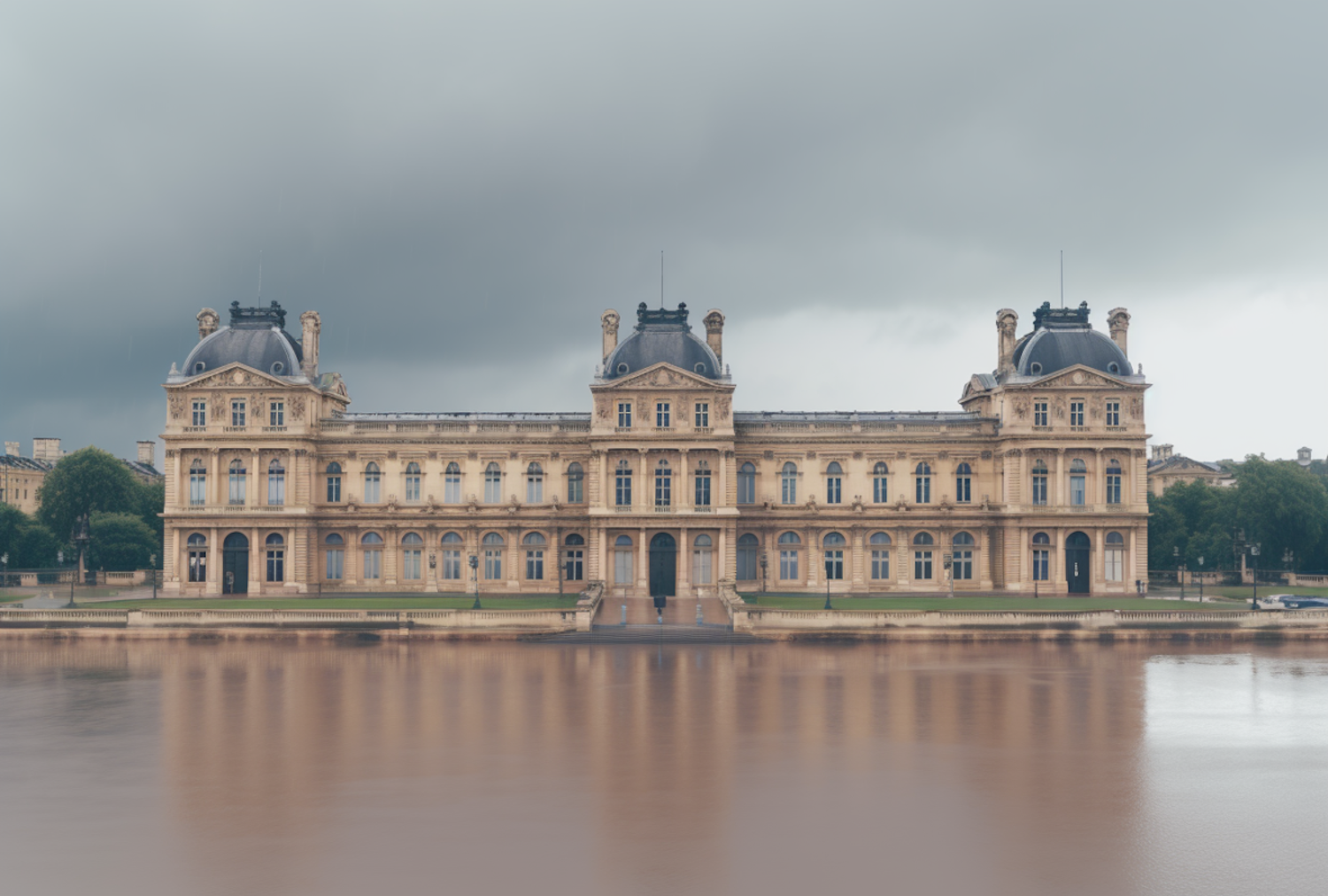
Its primary function is clear. It is the administrative and political heart of Australia. This is where the big national decisions are made.
The Australian Parliament House, the High Court of Australia, and the headquarters of all federal government departments are located here. Thousands of public servants work in Canberra, managing the nation’s affairs. If you ever wonder what the capital city of Australia is for, the answer is governance. It’s a city built for the business of running a country.
However, Canberra is much more than just government offices. It has blossomed into a major center for education, research, and culture.
- Education & Research: The city is home to world-class institutions like the Australian National University (ANU), consistently ranked as the country’s top university. It’s a hub for cutting-edge research in science, technology, and public policy.
- Culture & Arts: National treasures are housed here. You can visit the National Gallery of Australia, the National Museum of Australia, and the Australian War Memorial.

These institutions tell the nation’s story.
- A Planned Community: Remember the Griffins’ “garden city” vision? It worked. Canberra is renowned for its high quality of life, excellent healthcare, and extensive cycle paths and parks. It’s a city designed for people, not just politicians.
The story of Canberra shows the power of a good plan. From an empty paddock, a structured blueprint created a functional, beautiful, and important city. This idea translates to learning anything new. Whether it’s understanding how a nation’s capital runs or navigating a complex new field like cryptocurrency, having a clear, step-by-step guide turns confusion into confidence. A good plan helps you avoid the pitfalls and build on a solid foundation.
For straightforward, step-by-step lessons on building your understanding of crypto safely, consider the free Clicks and Trades newsletter. It’s designed to cut through the noise with clear guidance, much like a good city plan provides a clear path forward. You can Sign Up for free to get trusted insights delivered directly to you.
Landmarks and Institutions: The Heart of Australian Democracy
If you want to see how a country runs, you look at its capital. In Australia, the business of democracy isn’t just an idea. It’s built into the very streets and buildings of Canberra. The most important area for this is called the Parliamentary Triangle.
Also known as the National Triangle, this is the geographic and symbolic heart of the capital city of Australia. It’s a large, triangular zone of land. At its three points you’ll find the key pillars of the nation: Parliament House (the government), the Defence Headquarters at Russell (the military), and City Hill (the civilian community). This layout was part of the original grand plan, showing how different parts of society are connected.
Right at the top of this triangle sits the most iconic building: Parliament House.
The Home of Australian Democracy
Australia’s Parliament House is more than a building. It’s where the laws that shape the nation are made. The current building opened in 1988. It was designed to blend into the hill, with a massive flagpole rising from its roof. This shows that the people are above the government, a powerful symbol of democracy.
Inside, it’s a busy place. It has separate chambers for the Senate and the House of Representatives, where politicians debate and vote. According to the Parliamentary Education Office, it is "a place where decisions that shape the nation are made, a site for celebration, memorial and sometimes protest, and above all, a building for the people." You can take a free tour to see where it all happens. Just down the hill, you’ll find Old Parliament House. This beautiful building served as the parliament from 1927 to 1988. Today, it houses the Museum of Australian Democracy, where you can learn about the history of how the country has been governed.
Key Institutions of the Nation
The Triangle isn’t just about parliament. It’s packed with other institutions that protect the nation’s history, law, and culture. Walking through this area is like walking through the story of Australia.
- The High Court of Australia: This is the highest court in the country. It makes the final decisions on legal matters and interprets the Australian Constitution. Its building, with its grand public hall and water features, is open to visitors.
- The National Archives of Australia: This is where the most important government records are kept. From old immigration documents to prime ministers’ diaries, it holds the paper memory of the nation. A dramatic view of Parliament House at twilight is even preserved in their collection, noted as a symbol of national pride.
- The National Library and Other Cultural Institutions: Nearby, you can visit the National Library of Australia, the National Gallery, and the National Portrait Gallery. These institutions hold the nation’s artistic and literary treasures.
A Global Community: The Embassy Precinct
Because Canberra is the capital city of Australia, it’s also where other countries set up their official homes. The city has a dedicated diplomatic area, often called the Embassy Precinct. Here, you can take a fascinating drive or walk past the embassies and high commissions of over 70 countries. You’ll see architecture from around the world, from the traditional designs of Thailand and China to the modern lines of the United States. This neighborhood shows Australia’s place in the global community.
Visiting these landmarks makes it clear. Canberra’s purpose is built in stone, glass, and grass. Every building and street in the Triangle has a role in running, protecting, or celebrating the nation.
Understanding complex systems, whether it’s a government or a new technology like cryptocurrency, works the same way. You start with a clear map of the key pieces. You learn what each part does and how they fit together. This turns a confusing landscape into a place you can navigate with confidence.
For a clear, step-by-step guide to navigating the world of crypto safely, the free Clicks and Trades newsletter is a great resource. It provides trusted insights and simple lessons, helping you build your knowledge on a solid foundation, much like the careful plan behind Canberra itself. You can Sign Up for free to get this helpful guidance delivered directly to you.
Cultural Canberra: More Than Just Politics
But what about the city’s soul? A capital is more than government buildings. It’s also the keeper of a nation’s stories, art, and spirit. As the capital city of Australia, Canberra holds the country’s cultural heart. It’s a place where you can stand before a masterpiece, remember history, celebrate under the stars, and enjoy nature, all in one visit.
Beyond the political landmarks, the National Triangle is home to Australian Parliament House, Reconciliation Place, ANZAC Parade, National Cultural Institutions, the National Carillon, Commonwealth Park and more, making it a full cultural destination.
A Treasure Trove of National Collections
The city is ringed by world-class institutions that guard Australia’s memory and creativity. These aren’t just museums. They’re places where you can see, feel, and understand what it means to be Australian.
- The Australian War Memorial: More than a museum, this is a place of profound respect. It tells the stories of service and sacrifice from colonial times to today. Walking through its halls and the tranquil Reflection Pool is a moving experience every visitor should have.
- The National Gallery of Australia: Here, you’ll find one of the largest art collections in the country. From ancient Indigenous bark paintings to modern international works, it showcases creativity across centuries and cultures.
- Questacon (The National Science and Technology Centre): Perfect for families and the curious, Questacon makes science fun and interactive. It’s all about hands-on learning and discovery.
- The National Museum of Australia: Located on the shores of the lake, this museum explores the land, nation, and people of Australia. Its unique architecture houses fascinating stories about the country’s social history and its people.
A City That Celebrates Life
Canberra’s calendar is packed with energy. It proves that the capital city of Australia knows how to have a good time.
- Floriade: Every spring, Commonwealth Park explodes with a million flowers in a stunning display. It’s Australia’s biggest flower festival, complete with music, food, and workshops.
- Enlighten Festival: For a few weeks in autumn, the city’s iconic buildings become canvases for spectacular light shows and projections. It’s a magical time when architecture turns into art.
- Dining and Districts: Forget quiet political dinners. Neighborhoods like Braddon and Kingston Foreshore are buzzing with trendy cafes, award-winning restaurants, and small bars. The food scene is fresh, innovative, and surprisingly vibrant.
Nature on Your Doorstep
The beauty of Canberra is how nature is woven into the city plan.
- Lake Burley Griffin: This massive man-made lake is the city’s playground. You can cycle or walk around its 40-kilometer shoreline, sail on its waters, or simply have a picnic with a perfect view of Parliament House. It’s the serene centerpiece around which life revolves.
- National Reserves: Just a short drive from the city center, you can find yourself hiking through bushland in the Namadgi National Park or enjoying panoramic views from the top of Mount Ainslie. The wild is never far away.
Minds and Mission
Finally, Canberra is a city of learning and security. It’s home to important defense establishments, like the Defence Headquarters at Russell, which is one of the key points of the Parliamentary Triangle. It’s also a university town, with campuses like the Australian National University (ANU) bringing a youthful, intellectual energy to the streets. This blend of defense, academia, and government creates a unique and thoughtful community.
Exploring a new place, whether it’s a city or a complex topic, works best with a clear guide. You start with the basics, learn step-by-step, and build your confidence. If you’re looking for that same clear path in another modern landscape, like understanding cryptocurrency, a trusted resource can make all the difference. For simple, safe lessons that break things down, consider the free Clicks and Trades newsletter. It can help you navigate new territories with confidence. Ready to start learning? You can Sign Up for free guidance delivered straight to you.
Visiting Canberra: A Practical Guide for First-Timers
You’ve seen the culture and heard about the vibrant life. Now, let’s get you there. Planning your first trip to the capital city of Australia is easier than you might think. Here’s a simple, step-by-step guide on how to arrive, get around, and make the most of your visit.
How to Get to Canberra
The capital city of Australia is well-connected by air, road, and rail from other major cities.
- By Air: Canberra Airport (CBR) has direct flights from all major Australian cities like Sydney, Melbourne, and Brisbane. It’s a quick and convenient option.
- By Road: A road trip is a fantastic way to see the countryside. The drive from Sydney takes about 3 hours, and from Melbourne, it’s roughly 7 hours via the Hume Highway.
- By Rail: Canberra has been served by railways for over a century. A daily train service connects Sydney Central Station to Canberra, offering a scenic route through the Southern Highlands. For the latest schedules and booking, check the official Getting to Canberra page.
Getting Around the City
Once you’ve arrived, navigating the capital city of Australia is straightforward. The city’s transport mix makes it easy to explore.
- Public Transport: Canberra’s public transport system primarily uses buses and a growing light rail network. You can pay for both using the MyWay+ smart ticketing system. The light rail, for example, runs frequently from Gungahlin to the City centre. For detailed route maps and ticket info, visit the Canberra Airport transport guide.
- Cycling and Walking: With an extensive network of paths, cycling around Lake Burley Griffin or through parks is a popular and healthy choice. Many central attractions are also within walking distance of each other.
- Driving: Renting a car gives you the most flexibility, especially for visiting outer reserves like Namadgi National Park. Traffic is generally light compared to other capitals.
Your Perfect First Itinerary
To see the essential highlights, we recommend a two-day plan. This covers the major cultural landmarks and gives you a real feel for the city.
Day 1: The National Heart
- Morning: Start at the Australian War Memorial for a moving history lesson.
- Afternoon: Walk or cycle across to the National Gallery of Australia, then explore the sculptures at the National Gallery Sculpture Garden.
- Evening: Enjoy dinner and a stroll in the lively Braddon precinct.
Day 2: Lake Views and City Sights
- Morning: Take in the panoramic view of the Parliamentary Triangle from the summit of Mount Ainslie.
- Afternoon: Visit Questacon for interactive fun, or explore the social history at the National Museum of Australia.
- Evening: Catch the sunset over Lake Burley Griffin, perhaps with a picnic in Commonwealth Park.
Planning a trip, whether to a new city or a new field like cryptocurrency, is all about having a clear, trustworthy guide. You start with the basics, follow a sensible path, and build your confidence step-by-step. If you’re looking for that same clear, safe approach to understanding crypto, a great first step is to get simple, reliable lessons. The free Clicks and Trades newsletter breaks down complex topics into safe, beginner-friendly steps, helping you navigate new territories without the overwhelm. Ready to start learning in a safe, simple way? You can Sign Up for free guidance delivered straight to your inbox.
Common Myths and Misconceptions About Australia’s Capital
Now that you know how to visit, let’s clear up some common confusion. When people think of the capital city of Australia, a few stubborn myths often come up. Let’s set the record straight.
Myth 1: Sydney or Melbourne is the Capital
This is the big one. Many people around the world assume Sydney, with its famous Opera House, or Melbourne, known for its culture, is the capital. Actually, neither is correct.
The true capital city of Australia is Canberra. This wasn’t an accident. After the Australian colonies federated in 1901, leaders needed a neutral location for the new national government. The rivalry between Sydney and Melbourne was so strong that neither would accept the other as the capital. The solution was a compromise: they chose a spot roughly between them. As historical records show, Canberra was chosen as the Australian capital in 1906 as a compromise between Melbourne and Sydney. Melbourne served as the temporary capital until Canberra was ready.
Myth 2: Canberra is Just a "Small Town"
Another common idea is that Canberra is a tiny, quiet government outpost. The reality is very different.
Canberra is a planned, modern city and the heart of the nation’s democracy. It is home to Australia’s Parliament House, the High Court, and dozens of foreign embassies. It’s also a major population center. According to official sources, Canberra is the federal capital of Australia and the only substantial settlement of the Australian Capital Territory. Today in 2026, it’s a thriving city with a diverse economy, world-class universities, and a growing population that enjoys a high quality of life. It’s far more than just a collection of government buildings.
Myth 3: There’s "Nothing to Do" in Canberra
If you think the capital city of Australia is boring, you haven’t looked closely. This myth might be the easiest to bust.
As our previous itinerary showed, Canberra is packed with national attractions. Beyond politics, it’s a city of culture, nature, and innovation. You can explore the vast collections at the National Museum of Australia, get hands-on with science at Questacon, or wander through the National Gallery’s sculpture garden. The city is nestled in nature, with the Lake Burley Griffin centrepiece perfect for cycling and the Namadgi National Park nearby for hiking. From its founding as a sheep station to today, Canberra has always been a place of activity and growth, as noted in its historical records.
Getting facts straight is important, whether you’re learning about a new city or a new topic like cryptocurrency. Myths can lead you in the wrong direction. The best approach is to find clear, trustworthy information that breaks things down step-by-step. For a safe, simple start to understanding crypto, the free Clicks and Trades newsletter offers reliable lessons that help you build confidence without the overwhelm, much like having a good guide to a new city. Ready to learn with clarity? You can Sign Up for free guidance sent directly to you.
Summary
This article explains clearly and simply that Canberra is the capital city of Australia, and it walks readers through the why, how and what of that choice. It covers the historical compromise between Sydney and Melbourne that led to a purpose-built capital, the international design competition won by Walter Burley Griffin, and how the city’s planned layout places government, culture and nature at its core. You’ll get up-to-date context about Canberra’s population, role as the administrative heart of the nation, and major institutions like Parliament House, the High Court and national museums. The guide also offers practical travel advice—how to get there, getting around, and a two-day visitor itinerary—alongside a list of common myths debunked. Throughout, the article draws a simple parallel to learning new, complex subjects: start with clear facts and a trustworthy plan. Readers finish able to name Canberra as the capital, understand its origins and design, and plan a visit with confidence.
