
Build a Crypto Exchange Step by Step Guide for Beginners
Introduction: Why Building a Crypto Exchange Is a Massive Opportunity – and a Daunting Challenge
You have probably heard the stories. Someone you know bought Bitcoin early and made a life-changing profit. Maybe you have thought about jumping into crypto yourself. But here is the thing: the real money in crypto is not always in buying coins. Sometimes it is in building the marketplace where people trade them.
The global crypto exchange market is exploding right now.

According to The Business Research Company, the market was worth about $43.9 billion in 2024 and could hit $147 billion by 2029. That is a growth rate of over 27% every single year. Other analysts at Coherent Market Insights predict the exchange market alone will cross $7.79 billion by 2033. Numbers like these catch the attention of entrepreneurs everywhere.
But here is where the challenge hits. If you want to develop a crypto exchange from scratch, the road ahead can feel impossible. You have to understand blockchain technology, navigate confusing regulations in different countries, build a platform that users actually trust, and protect against hackers who target exchanges every single day. For a true beginner, these hurdles can stop you before you even start.
That is exactly why this guide exists.
We put together a beginner-friendly, step-by-step blueprint that helps you build cryptocurrency exchange platforms the right way. Whether you dream of running a spot trading platform or a p2p cryptocurrency exchange, this framework covers what you need to know. We focus on safety, clarity, and real-world steps. No fluff. No confusing jargon.
If you are completely new to crypto, you might want to start with our beginner’s guide to cryptocurrency first. It will give you a solid base before we dive into the technical side of building an exchange.
And if you want to keep learning with simple, trustworthy guidance every week, consider subscribing to the free Clicks and Trades newsletter. We send practical tips straight to your inbox to help you navigate crypto with confidence.
The opportunity is real. The challenge is real too. But with the right plan, you can turn that idea into a live, profitable exchange. Let us walk through exactly how to do it, step by step.
1. Understanding the Landscape: Types of Crypto Exchanges and How to Choose Your Model
So you want to develop a crypto exchange. The first big decision you need to make is picking the right model. It is like choosing a location for a physical store. The type of exchange you build will affect everything from the technology you use to the rules you have to follow. Let us look at the main options.
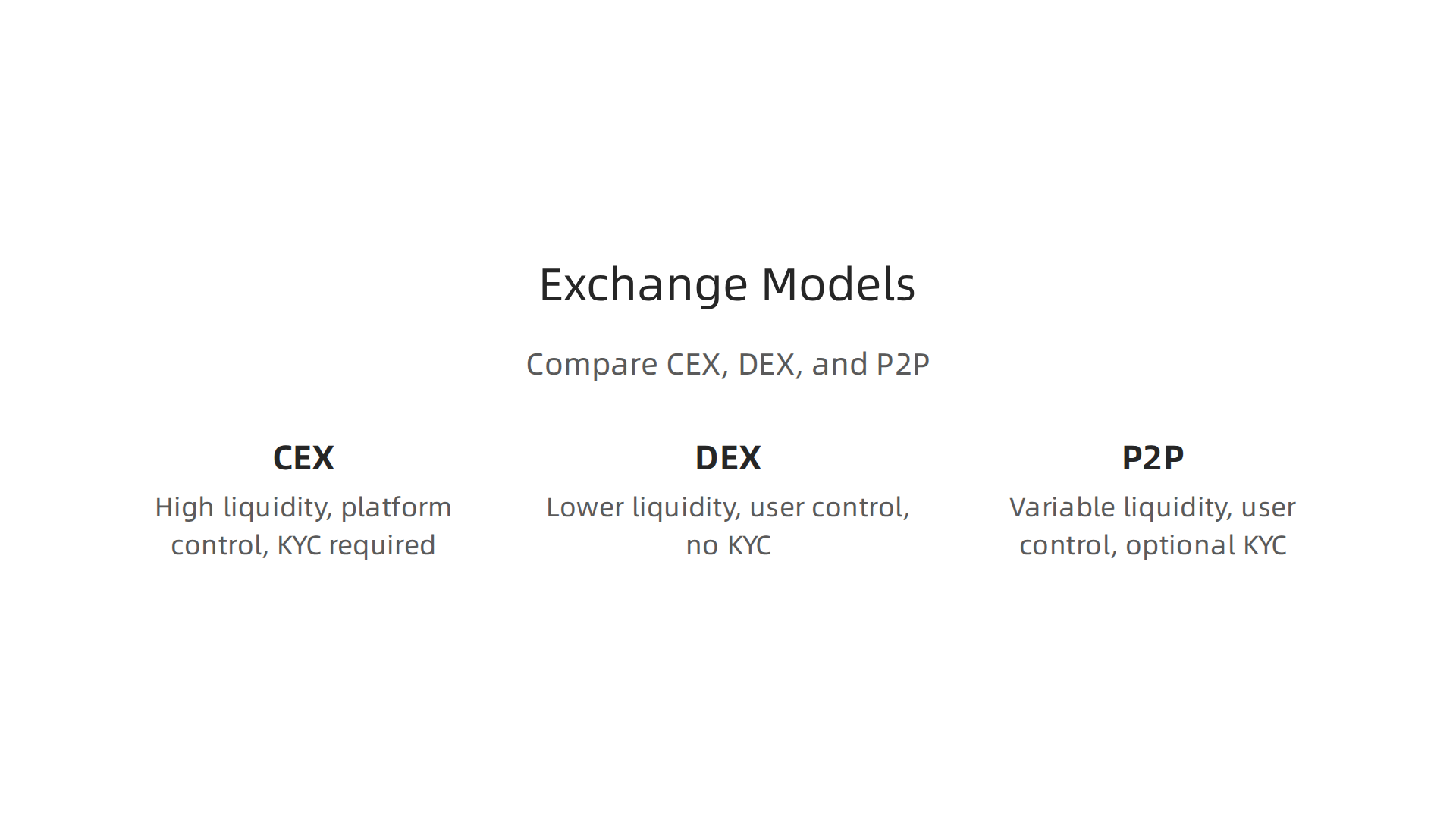
The most common model is the centralized exchange, or CEX. Think of popular platforms like Coinbase or Kraken.
These companies act as a middleman. They hold the money, match buyers with sellers, and handle everything behind the scenes. CEXs offer high liquidity, which means trades happen fast and users are happy. If you want to see how a top CEX serves beginners, check out this Kraken vs Coinbase comparison.
The trade-off with a CEX is compliance. You must follow strict rules. This means requiring KYC (Know Your Customer) and AML (Anti-Money Laundering) checks. You have to collect user IDs and report to regulators. It is more legal work, but it builds the trust you need to attract serious users.
On the other side, you have decentralized exchanges, or DEXs. These run on smart contracts. Users trade directly from their own wallets. No middleman. No KYC required. Sounds perfect, right? Actually, DEXs usually have lower liquidity and can be harder for beginners to navigate.
Another option is a p2p cryptocurrency exchange. Here, users trade directly with each other. This model offers great privacy but requires a strong escrow system to prevent fraud. Before you dive into building one, it helps to understand how users think. You can use a testnet to practice trading without risk to see the features traders actually need.
If you are still learning the basic ideas, do not skip the fundamentals. Our crypto for beginners guide explains the core concepts you need to know before you choose a model.
Here is the thing. If you are a true beginner, starting with a CEX is usually the smartest path. Specifically, using a white-label solution can reduce your workload by months. You get a ready-made platform that you can brand as your own. You focus on getting users and staying compliant instead of building everything from scratch.
The market for exchanges is growing fast. Research from The Business Research Company shows the exchange market could hit $147 billion by 2029. The opportunity is real, but the path is complex.
You do not have to figure this out alone. We build simple guides for people exactly like you. If you want weekly tips on choosing the right tools and models, subscribe to the free Clicks and Trades newsletter.
Ready to build your exchange with confidence? Sign up for our free checklist that walks you through the first steps of launching your platform.
2. Regulatory Compliance: Navigating AML, KYC, and Licensing Requirements in 2026
So you have picked your exchange model. Now comes the part that many people try to skip. But you should not. Regulatory compliance is what keeps your business alive and your users safe.

In 2026, the rules are clearer than ever. But they are also much stricter.
Think of compliance as the foundation of your house. If the foundation is weak, the whole building will fall. Let us look at the main rules you need to know before you develop crypto exchange services.
First, you need a clear picture of the major regulatory frameworks.
In the United States, you must register with FinCEN as a Money Services Business (MSB). This step can cost $0 to $1,500 in application fees. But here is the hidden cost. You also need a separate license for every state where you have users. A state Money Transmitter License (MTL) can cost anywhere from $5,000 to $150,000 per state. The full approval timeline is usually 6 to 18 months. You can see the full breakdown of US crypto license costs and timelines here.
Across the Atlantic, Europe has the Markets in Crypto-Assets (MiCA) framework. MiCA creates one single set of rules for the entire EU. It covers exchanges, stablecoins, and wallet providers. If you want to start cryptocurrency exchange operations for EU users, you must follow these rules. The MiCA regulation has reshaped how platforms operate in Europe and offers a clear path forward.
No matter where you launch, you need strong AML and KYC systems. This means checking user identities and monitoring transactions for suspicious activity. The AML compliance rules for crypto exchanges in 2026 now require wallet screening and Travel Rule compliance. This is not optional. Global oversight is intensifying. As Grant Thornton highlights, regulators are much more aggressive now. Failing to comply can lead to massive fines or getting shut down completely.
Before you invest heavily, what is the smartest first step?
A regulatory sandbox is often recommended for new entrants. This is a safe testing environment where you can try your platform with real users under the watchful eye of a regulator. It lets you learn the rules without risking everything on day one. Licensing fees, legal costs, and reporting obligations vary widely by jurisdiction. A sandbox helps you figure out what applies to you.
If you are still learning how these systems work, practicing on a testnet is a great way to understand transaction flows. You can use a testnet to practice trading without risking real money before you launch.
Do you want a simple checklist that walks you through the regulatory steps one by one? We share practical guides to help you avoid costly mistakes. Subscribe to the free Clicks and Trades newsletter for weekly compliance tips.
Ready to start building your compliant exchange? Sign up for our free compliance starter checklist today.
3. Building the Technology Stack: Core Components for a Secure, Scalable Exchange
You now know the rules. So let’s talk about the actual machine that makes your exchange work. When you develop crypto exchange software, you need to choose the right building blocks. A weak block can break the whole system. Here are the core parts you cannot skip.
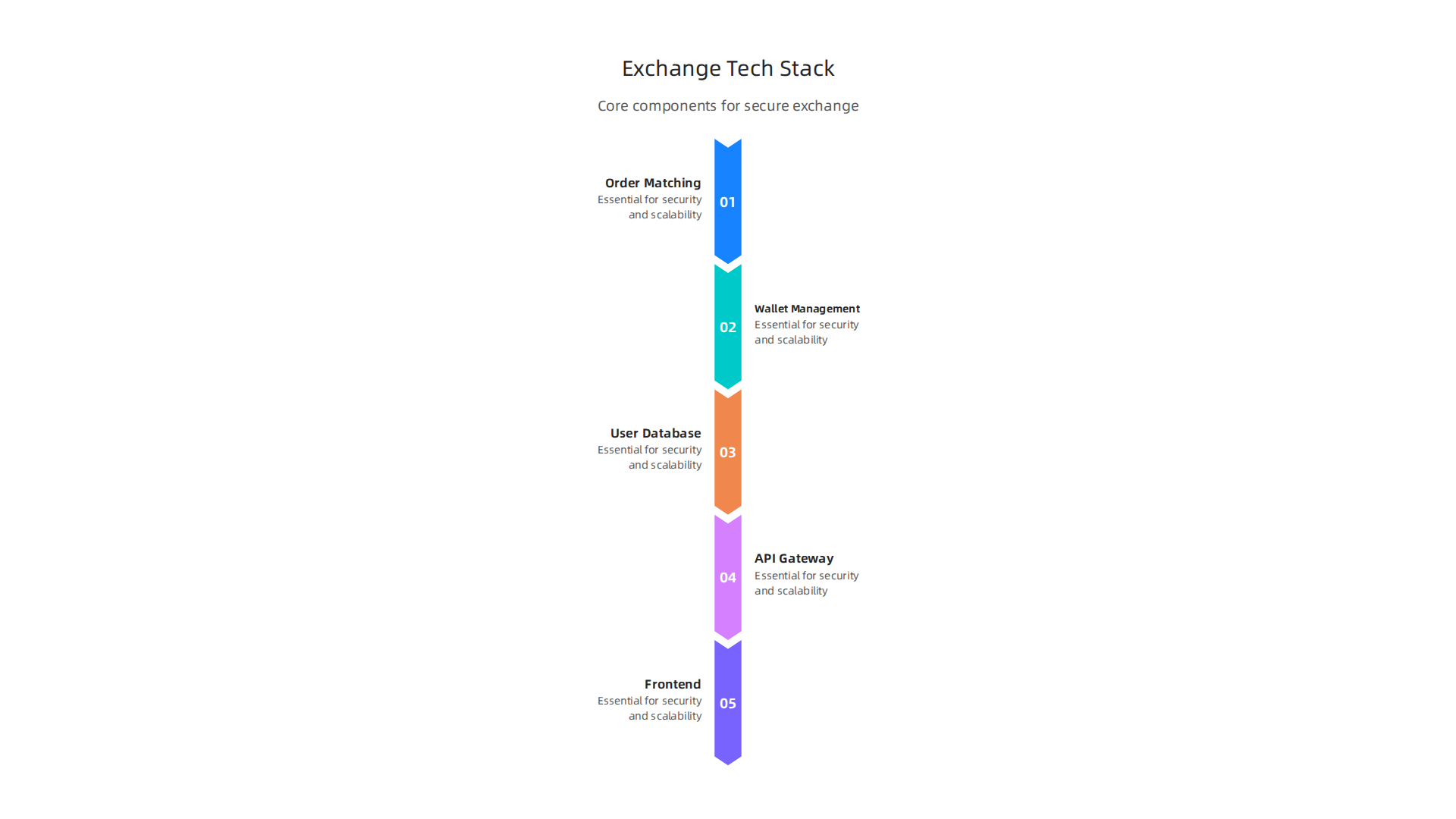
The Order Matching Engine (The Heart)
This is the most important piece. It matches buy and sell orders instantly. If it is slow, your users will leave. Professional centralized exchange architecture focuses heavily on the matching engine and liquidity aggregation layers. That is where speed matters most. You need an engine that can handle thousands of trades per second without crashing.
Wallet Management
You must store user funds safely. Most exchanges use a mix of hot wallets (for daily withdrawals) and cold wallets (for long term storage). The security of your wallet system decides if you become a safest cryptocurrency exchange or a cautionary tale.
User Database
Every user needs a profile. You store their KYC details, trading history, and account settings. PostgreSQL is a common choice for this. It handles large amounts of data and works well with complex queries.
API Gateway
Many traders use bots to trade automatically. You need a solid API (Application Programming Interface) so they can connect to your platform. A good API gateway also helps you connect with market data providers and other services.
Frontend (The User Interface)
Your users see the frontend. It should be clean, fast, and easy to use. A confusing interface scares people away. You can use modern frameworks like React or Vue.js to build it.
Open-Source vs Custom Development
You have two paths. You can use open-source tools like Apache Kafka for handling order books and PostgreSQL for data storage. Or you can build everything from scratch. Open-source saves money and time. Custom development gives you full control. Many companies combine both. The complete guide covering development costs, tech stack, and licenses shows you the tradeoffs.
Load Testing and Scalability Plans
Here is a truth most people ignore. Your exchange will fail on launch day if you do not test for traffic spikes. You need to simulate sudden jumps in trading volume. Load testing tools can show you where your system breaks. Then you fix it before real users arrive. The essential features, technology stack, and security requirements for 2026 stress that scalability planning is not optional.
Want to practice your ideas safely first? You can use a test environment to see how everything flows. Paper trading lets you simulate trades without risking real money. It is a great way to test your matching engine logic and user workflows.
Keep Learning as You Build
The technology world changes fast. Every week there are new tools and better practices. That is why staying updated matters. Subscribe to the free Clicks and Trades newsletter for weekly tips on security, scalability, and compliance. It helps you avoid common mistakes.
Ready to put your tech stack together? Sign up for our free compliance starter checklist to keep your project on track from day one.
4. Security First: Protecting Users and Platform from Hacks, Scams, and Insider Threats
You have your tech stack ready. Now comes the hard part: keeping it safe. In 2025, hackers stole over $2.7 billion in crypto, according to Chainalysis and TRM Labs data shared by TechCrunch. And 2026 is not looking any quieter. The truth is, if you develop crypto exchange software without security at the front, you are building a house on sand.
Let’s look at the most common ways exchanges get attacked. Then we will talk about how to stop them.
Common Attack Vectors
API breaches. Hackers exploit weak API keys to steal funds or manipulate trades. Always lock down your API gateway with strict permissions and rate limits.
Smart contract vulnerabilities. If your exchange uses DeFi features or custom smart contracts, one bug can drain your liquidity pool. The Biggest Crypto Exploits of 2025–2026 highlight how small code errors led to massive losses.
Phishing and social engineering. Attackers trick your employees or users into giving up passwords. A single click on a fake email can cost millions. The Phemex breach in January 2025 started with a social engineering attack.
Insider threats. A rogue employee with access to hot wallets or user data can cause huge damage. This is one of the hardest threats to spot.
How to Protect Your Exchange
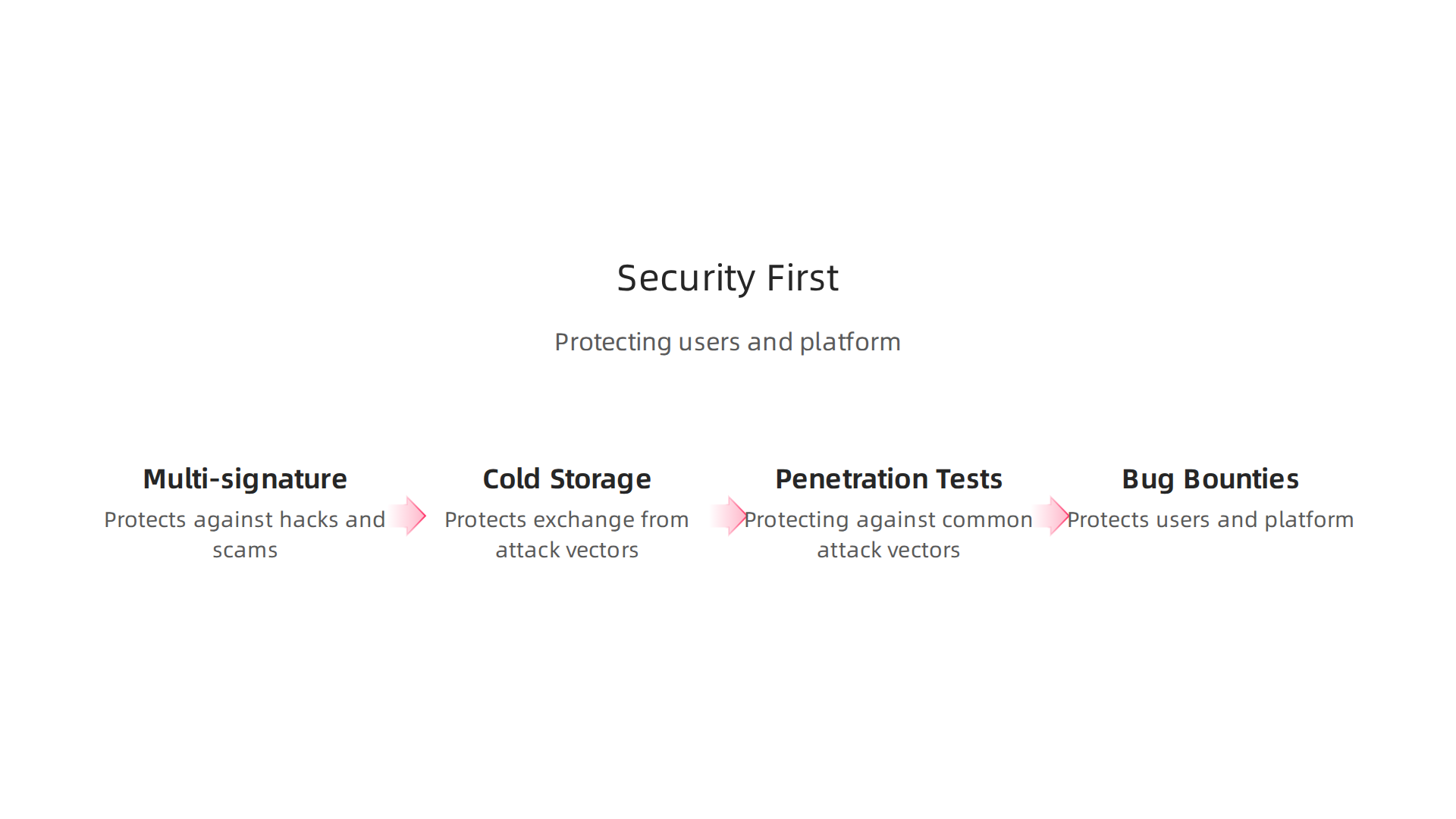
Use multi-signature wallets. No single person should be able to move funds alone. Require multiple private keys from different team members.
Cold storage for the bulk of funds. Keep only a small amount in hot wallets for daily withdrawals. Store 90% or more in offline cold wallets that are not connected to the internet.
Run regular penetration tests. Hire ethical hackers to try to break into your system. They will find weaknesses before real attackers do. The KuCoin article on top security incidents shows that many breaches happened because companies skipped routine security checks.
Launch a bug bounty program. Invite the global community to report vulnerabilities. Offer rewards for each bug found. This is a cheap way to get world class security testing.
Get crypto crime insurance. Yes, you can insure your exchange against hacks. It builds trust with users. If something goes wrong, you have a safety net. Many top platforms now carry insurance policies.
Build a Culture of Safety
Security is not a one time setup. It is a daily habit. Every new feature you add should go through a security review. Train your team on phishing awareness. Monitor suspicious activity 24/7.
Want to see what a safe exchange looks like in practice? Read our guide on how to buy cryptocurrency your first time step by step safely. It covers the red flags beginners should watch for.
The crypto world changes fast. New threats appear every week. That is why staying informed matters so much. Subscribe to the free Clicks and Trades newsletter for weekly updates on security best practices, scam alerts, and insider tips.
Ready to lock down your exchange from day one? Sign Up for our free compliance starter checklist and get ahead of the threats before they find you.
5. User Experience for Beginners: Onboarding, Education, and Trust Signals
Picture this. A first time user lands on your platform. They just want to buy a little Bitcoin. But the registration form asks too many questions. The fee structure looks like a math puzzle. And there is no help button in sight.
What do they do? They leave. And they probably never come back.
That is why user experience matters so much when you develop crypto exchange software.

In 2026, beginner friendly platforms are not a nice extra. They are a must have. MEXC reported that more exchanges are now shifting their whole product strategy toward easier onboarding and clearer layouts. Why? Because beginners make up the biggest growth market.
Make Signups Simple and Fees Clear
Your btc exchange list might have the best prices in the world. But if signing up takes twenty minutes and fees are buried in fine print, you lose people.
Keep registration short. Ask for only what you need for KYC. Show all fees upfront in plain language. CryptoSlate’s guide to the best exchanges for beginners points out that transparency around spreads and fees is the number one factor beginners look for.
Build Trust with Visible Signals
Beginners are scared of getting scammed. They have every reason to be. So you need to show them you are legit.
Put your regulatory licenses front and center. Publish a transparency report every quarter explaining how you handle user funds and security incidents. Offer customer support that actually responds within minutes, not days. These small trust signals make a huge difference. NerdWallet’s list of top beginner exchanges highlights Coinbase as the best for beginners partly because of its clear regulatory disclosures.
If you want a real example of a beginner friendly platform, read our comparison of Kraken vs Coinbase for your first crypto buy. It shows what trust signals look like in practice.
Teach Users Inside the App
Most beginners do not know what a blockchain is. Or how a limit order works. That is okay. Your job is to teach them.
Build educational content right into the platform. Short videos. Quick tips that pop up during trades. A simple glossary of terms. BingX ranked as the top user friendly exchange for beginners partly because of its built in learning tools.
You can even add gamified learning modules. Let users earn small rewards for completing lessons. Or let them practice trades with fake money first. This builds confidence before real money is on the line. Our guide on paper trading the risk free first step every beginner should take explains exactly how this works.
A Culture of Education
The best safest cryptocurrency exchange in the world is also the one that educates its users. When your users understand what they are doing, they make better decisions. They trust you more. They stay longer.
That is why we built the Clicks and Trades newsletter. It delivers simple, clear crypto lessons straight to your inbox every week. No jargon. No hype. Just practical guidance for people who are still learning. It is the kind of ongoing education that turns a confused beginner into a confident trader.
And honestly, the more educated your users are, the less work your support team has to do. Everyone wins.
Ready to create an exchange that beginners actually enjoy using? Sign Up for our free compliance starter checklist and start building trust from day one.
6. Testing, Launching, and Growing Your Exchange: From MVP to Market Entry
So you have built your platform. You have designed a great user experience for beginners. Now comes the scary part. Actually launching it and getting people to use it.

The smartest way to develop crypto exchange software in 2026 is to start small. Do not try to compete with Binance on day one. Launch a minimum viable product, or MVP. This is a basic version of your exchange with only the most important features.
Start with Alpha and Beta Testing
Before you let the whole world in, test with a small group. Find 50 to 100 users who match your target audience. Let them trade. Watch what they do.
You will discover bugs you never expected. You will see where people get confused. And you will learn what features they actually use versus what you thought they would use.
According to Hashcodex’s 2026 cost breakdown, a basic MVP can cost between $30,000 and $80,000. That is much cheaper than building everything at once and hoping it works. Use that first version to gather real feedback.
MEXC’s guide to launching an exchange recommends running a closed beta for at least two weeks. During that time, track every error message, every abandoned trade, and every support ticket. Fix the biggest problems before opening the doors to everyone.
Post Launch Strategies That Actually Work
Once your exchange is live, you need two things fast: liquidity and users. Without them, your exchange will feel empty. People will not want to trade on a platform with no activity.
Here are three strategies that work for new exchanges in 2026.
Offer zero fee trading for the first 30 days. This brings in early users who want to test your platform without risk. It also helps you build initial trading volume.
Partner with a market maker. A professional firm can provide the liquidity your exchange needs. Our explainer on what DRW Trading is shows how proprietary trading firms help keep markets healthy. Without a market maker, your order books will look empty, and beginners will leave fast.
Market directly to beginners. Your btc exchange list should be easy to understand. Create simple comparison charts. Write clear guides. Use language that makes people feel safe. The platforms that grow fastest are the ones that make beginners feel welcome.
Key Metrics to Watch Every Week
You cannot improve what you do not measure. Here are the three numbers that matter most after you start cryptocurrency exchange operations.
Trading volume. This is the total amount of crypto traded on your platform each day. If it is growing, you are doing something right. If it is flat, your marketing or user experience needs work.
Number of active users. How many people trade at least once a week? Monthly active users matter more than total signups. A platform with 500 active traders is healthier than one with 5,000 signups who never come back.
Incident response time. How fast do you fix problems? The Antier Solutions guide to exchange development notes that top exchanges in 2026 resolve critical issues in under 15 minutes. Beginners trust platforms that fix things fast.
Want to stay on top of all these strategies without getting lost in technical details? Our Clicks and Trades newsletter delivers clear, practical guidance for running a beginner friendly crypto business. No jargon. Just real advice that works.
Ready to move from planning to launching? Sign Up for our free compliance starter checklist and get your exchange off the ground the right way.
7. Ongoing Operations: Maintaining Trust, Security, and Compliance Over Time
Launching your exchange was a big win. But in 2026, the real work starts the day after you go live. Keeping your platform safe, legal, and trusted is an everyday job. If you want to develop crypto exchange software that lasts, you cannot ignore the boring stuff. Compliance, security drills, and honest communication are what keep users coming back.
Here is what running an exchange actually looks like once the launch party is over.
Security Audits and Incident Drills
You cannot afford to be slow when it comes to security. Hackers target new exchanges all the time. Grant Thornton reports that global oversight is tightening fast in 2026. That means you need to run regular security audits. Not just once a year. You need to run incident response drills with your whole team.
Practice what happens if a wallet gets compromised. Practice what happens if a smart contract breaks. The fastest exchanges fix critical issues in under 15 minutes. That is how you become known as the safest cryptocurrency exchange for beginners. Do not wait for a real attack to test your team.
Staying on Top of Changing Regulations
Compliance is not a one time thing. It changes constantly. In the US, you need to follow FinCEN MSB rules and state level MTLs. Getting a US crypto license can take 6 to 18 months. That is a long time to wait if you mess up the paperwork.
In Europe, MiCA regulation has reshaped everything for exchanges. You also have to follow the Travel Rule and screen wallets against bad actors. The 2026 AML compliance map shows exactly what you need to do. If you want to start a cryptocurrency exchange that survives, you must budget for legal help and compliance software from day one.
Build a Community Through Transparency
Beginners are scared of losing money. They will only trade on a platform they trust. So you need to talk to them openly. If there is a technical problem, tell them immediately. Show them how you fixed it.
Create a community where users feel safe to ask questions. A platform that communicates well keeps its users much longer. If you want to rank high on any btc exchange list for beginners, having a strong support team and clear status updates is just as important as low fees.
Remember, building that trust takes time. If you want to understand exactly how to earn trust from day one, read our guide on how to buy cryptocurrency your first time safely. The same principles apply whether you are a user or an exchange owner.
Staying on top of compliance and security is tough. But you do not have to do it alone. The Clicks and Trades newsletter sends you clear, practical updates on running a beginner friendly crypto business. No fluff. Just real advice that works.
Ready to build an exchange that lasts? Sign Up for our free compliance starter checklist and get your platform off the ground the right way.
Summary
This guide walks you step-by-step through building a cryptocurrency exchange—from picking a business model (centralized, decentralized, or P2P) to meeting 2026 regulatory expectations, designing a high-performance tech stack, and running continuous security and compliance operations. It explains why a CEX with white-label options is often the fastest path for beginners, details core components like matching engines, wallet management, and APIs, and shows practical defenses against API exploits, smart contract bugs, phishing, and insider risk. You’ll learn how to onboard and retain novice users with clear signups, educational content, and visible trust signals, plus how to validate your product with alpha/beta testing and an MVP before scaling. The article also covers launch growth tactics (zero-fee periods, market makers), key metrics to monitor, and the ongoing processes—audits, incident drills and regulatory updates—needed to keep an exchange live and trusted. By the end, readers will have a realistic blueprint and prioritized checklist to move from idea to a compliant, secure exchange that appeals to beginner traders.
